Dumbphone vs Smartphone: Which One Is Better for Your Mental Health?
Home
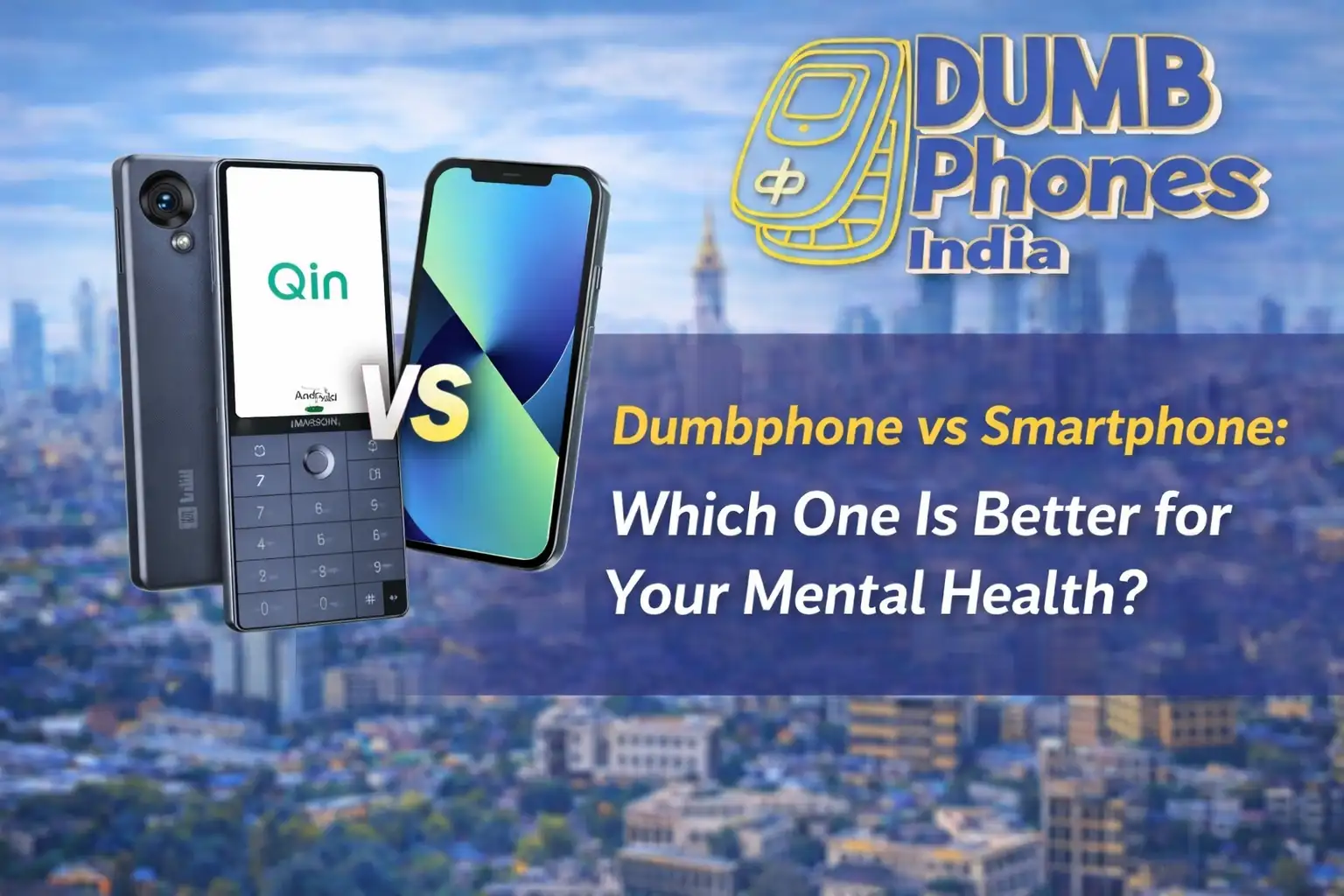
Dumbphone vs Smartphone: Which One Is Better for Your Mental Health?
Introduction
In today’s hyper-connected world, smartphones have become an essential part of our daily lives. From social media scrolling to constant notifications, our attention is constantly being pulled in multiple directions. But as awareness around mental health grows, many people—especially Gen Z—are reconsidering their relationship with technology.
This has led to the rise of dumbphones—simple devices designed for calling, texting, and minimal distractions. But the real question is: which one is better for your mental health—dumbphones or smartphones?
Let’s break it down.
What Is a Smartphone?
A smartphone is a powerful handheld device that allows you to browse the internet, use apps, watch videos, play games, and stay connected through social media platforms.
While smartphones offer convenience, they also come with a hidden cost—constant digital stimulation.
What Is a Dumbphone?
A dumbphone (or feature phone) is a minimalist device that focuses only on basic functions like calling and texting. Some modern dumbphones may include limited apps like WhatsApp or maps, but they are designed to reduce distractions and screen time.
Mental Health Impact: Smartphone vs Dumbphone
1. Screen Time & Addiction
Smartphones are designed to keep you hooked. Apps use algorithms, notifications, and infinite scrolling to maximize engagement.
Average screen time: 5–8 hours/day
Dopamine-driven usage patterns
Increased risk of addiction
Dumbphones, on the other hand:
Limit screen usage naturally
No addictive apps or endless scrolling
Promote intentional usage
2. Anxiety & Stress Levels
Constant notifications, social media comparisons, and information overload can lead to:
Anxiety
Stress
FOMO (Fear of Missing Out)
Dumbphones eliminate most of these triggers, helping users feel more calm and present.
3. Focus & Productivity
Smartphones can destroy focus with frequent interruptions:
Notifications every few minutes
Easy access to distractions
Reduced attention span
Dumbphones help improve:
Deep work
Concentration
Productivity
This tactile interaction helps users break the reflex of endlessly tapping and swiping — a key principle of digital minimalism.
4. Social Connection
Smartphones make it easier to stay connected—but often at a superficial level.
Social media interactions ≠ real connections
Less face-to-face communication
Dumbphones encourage:
Meaningful conversations
Real-life interactions
Quality time
5. Convenience & Functionality
Let’s be honest—smartphones win here.
Navigation (Google Maps)
Banking apps
Work tools
Entertainment
Dumbphones lack many of these features, which can be inconvenient for some users.
Should You Switch to a Dumbphone?
You don’t necessarily need to completely ditch your smartphone. Here are some practical options:
Use a dumbphone as your primary device
Keep a smartphone only for essential tasks
Try a digital detox weekend
Disable unnecessary notifications
Dumbphones lack many of these features, which can be inconvenient for some users.
Why Dumbphones Are Trending in India
In India, users are becoming more aware of:
Digital addiction
Mental health issues
Need for work-life balance
Brands like Dumb Phones India are making it easier to switch by offering modern dumbphones with essential features.
Final Verdict
Factor
Winner
Screen Time
Dumbphone
Mental Health
Dumbphone
Focus
Dumbphone
Social Connection
Dumbphone
Convenience
Dumbphone
FAQs
Are dumbphones better for mental health?
Yes, dumbphones reduce screen time, minimize distractions, and help lower anxiety and stress levels.
Can switching to a dumbphone reduce anxiety?
Absolutely. Without constant notifications and social media, users often feel calmer and more focused.
Do dumbphones have internet access?
Some modern dumbphones offer limited internet features, but they are designed to avoid distractions.
Is it practical to use a dumbphone in 2026?
Yes, especially if you want a balanced lifestyle. Many users combine dumbphones with occasional smartphone use.
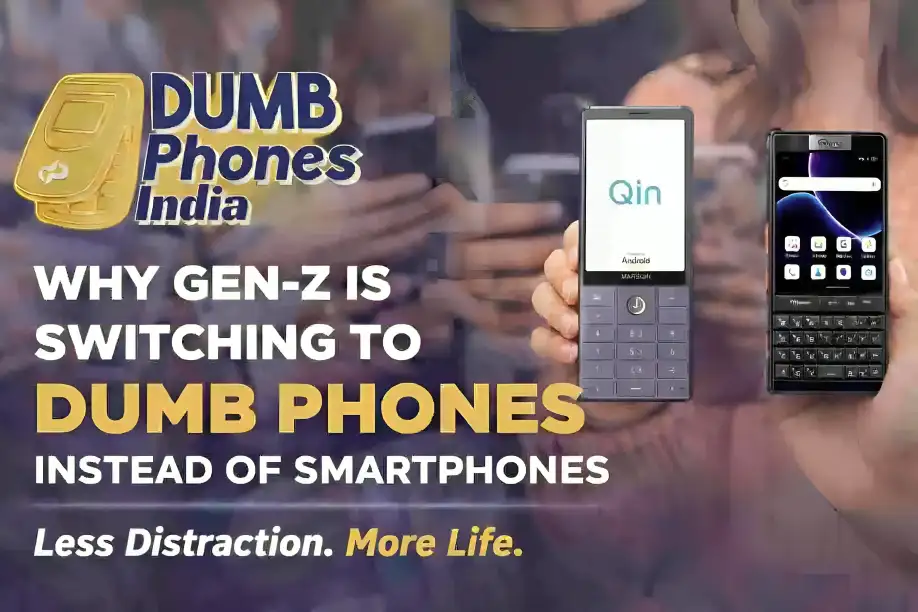
Why is Gen Z switching to dumbphones?
Gen Z is increasingly prioritizing mental health, productivity, and real-life experiences over digital consumption.