Free Shipping and COD All Over India.
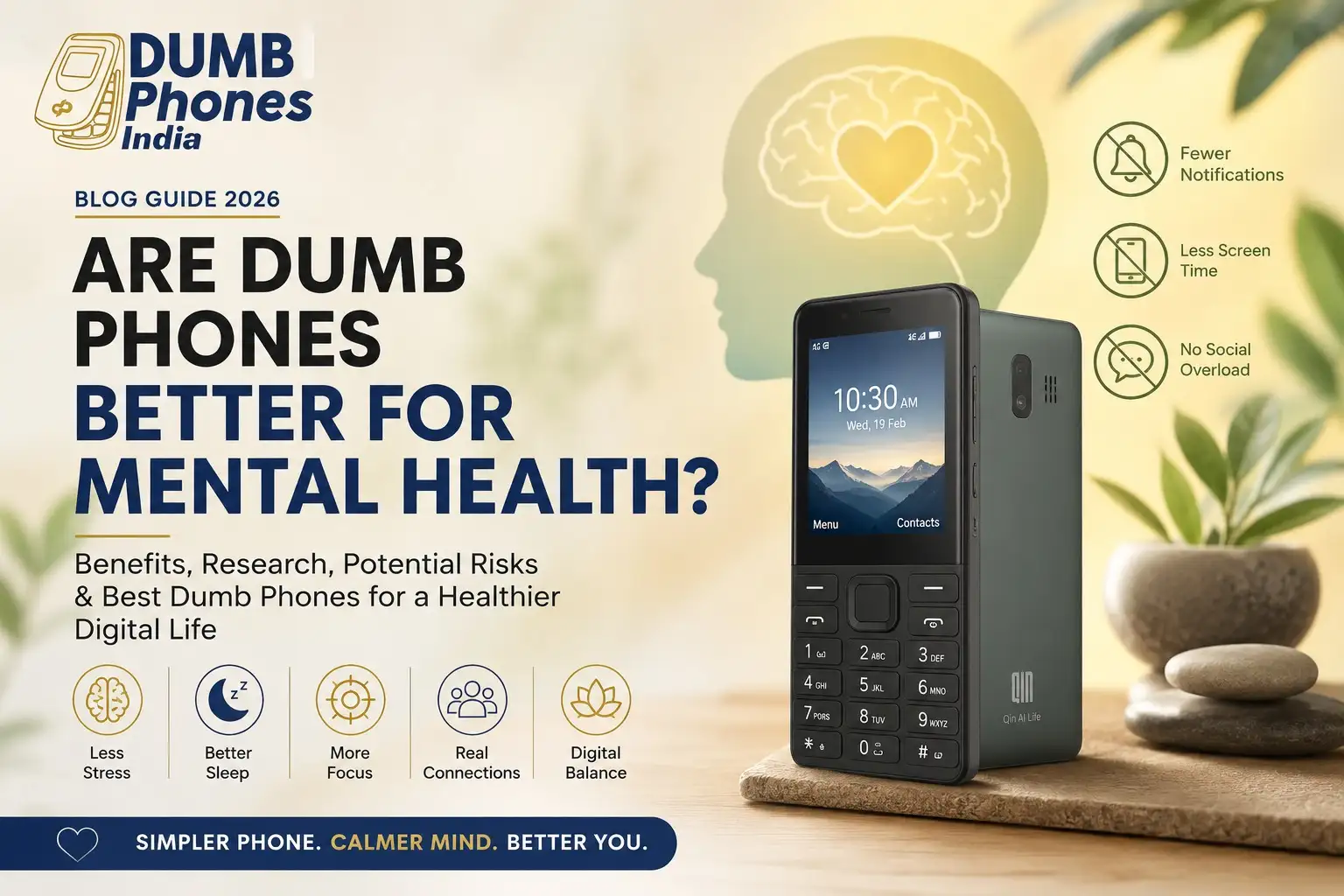
Smartphones have transformed how we work, learn, and stay connected. However, constant notifications, endless social media feeds, and excessive screen time have also raised concerns about stress, anxiety, poor sleep, and reduced focus.
This has led many people to ask:
“Are dumb phones better for mental health?”
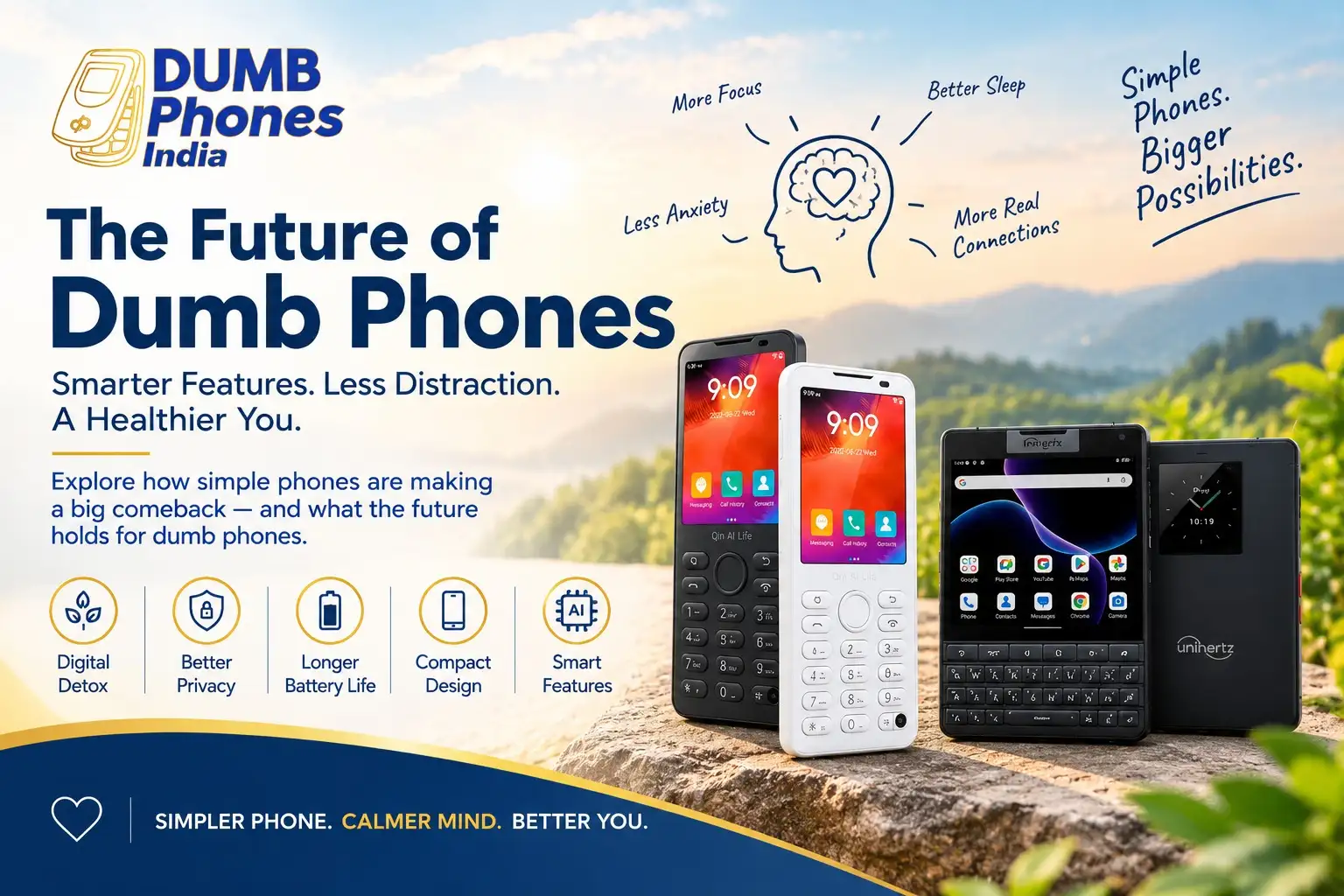
The answer is they can be—for many people. A dumb phone is not a treatment for mental health conditions, but it can help reduce digital distractions, encourage healthier technology habits, and make it easier to focus on what matters most.
Yes, dumb phones can support better mental wellbeing by reducing screen time, limiting social media use, minimizing constant notifications, and encouraging more mindful technology use. However, they are not a substitute for professional mental health care.
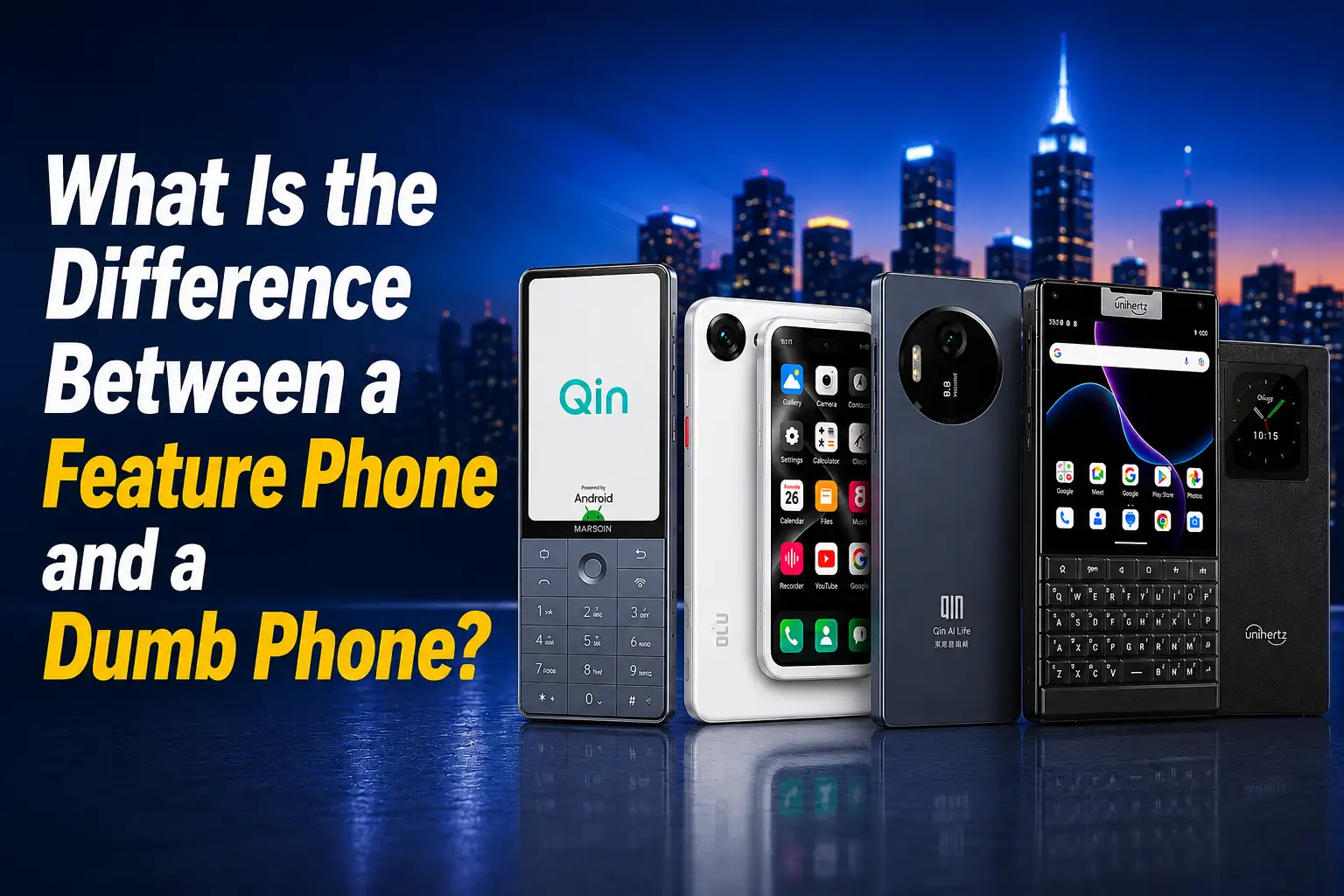
A dumb phone is a mobile phone designed to focus on essential communication rather than endless entertainment.
Modern Android dumb phones combine simplicity with useful features while avoiding many of the distractions of traditional smartphones.
Most people unlock their phones 80–150 times a day. Between social media, gaming, emails, and notifications, our attention is constantly interrupted.
It’s important to note that smartphones themselves are not inherently harmful. The way we use them—and the amount of time we spend on them—plays a major role.
Without endless apps competing for your attention, many people naturally spend less time on their phones.
Less scrolling often means more time for:
Constant notifications interrupt deep work.
A simpler phone reduces distractions, making it easier to:
Many students and professionals choose Android dumb phones specifically to improve concentration.
Social media can be enjoyable, but constant comparison and endless content may leave some people feeling mentally drained.
Using a dumb phone limits impulsive app usage while still allowing essential communication.
Many people scroll before going to bed.
Replacing a smartphone with a simpler device at night can help you:
Better sleep is closely linked with improved mood, energy, and focus.
When you’re not checking notifications every few minutes, it’s easier to:
For some people, yes.
Reducing:
may help lower everyday stress.
However, anxiety has many causes, and a dumb phone alone is not a medical treatment. If anxiety significantly affects your daily life, it’s important to seek guidance from a qualified healthcare professional.
|
Feature
|
Smartphone
|
Smart Dumb Phone
|
|---|---|---|
|
Social Media Distraction |
High |
Low |
|
Productivity |
Medium |
High |
|
Battery Life |
Average |
Better |
|
App Availability |
Unlimited |
Essential Only |
|
Screen Time Control |
Poor |
Strong |
|
Simplicity |
Low |
High |
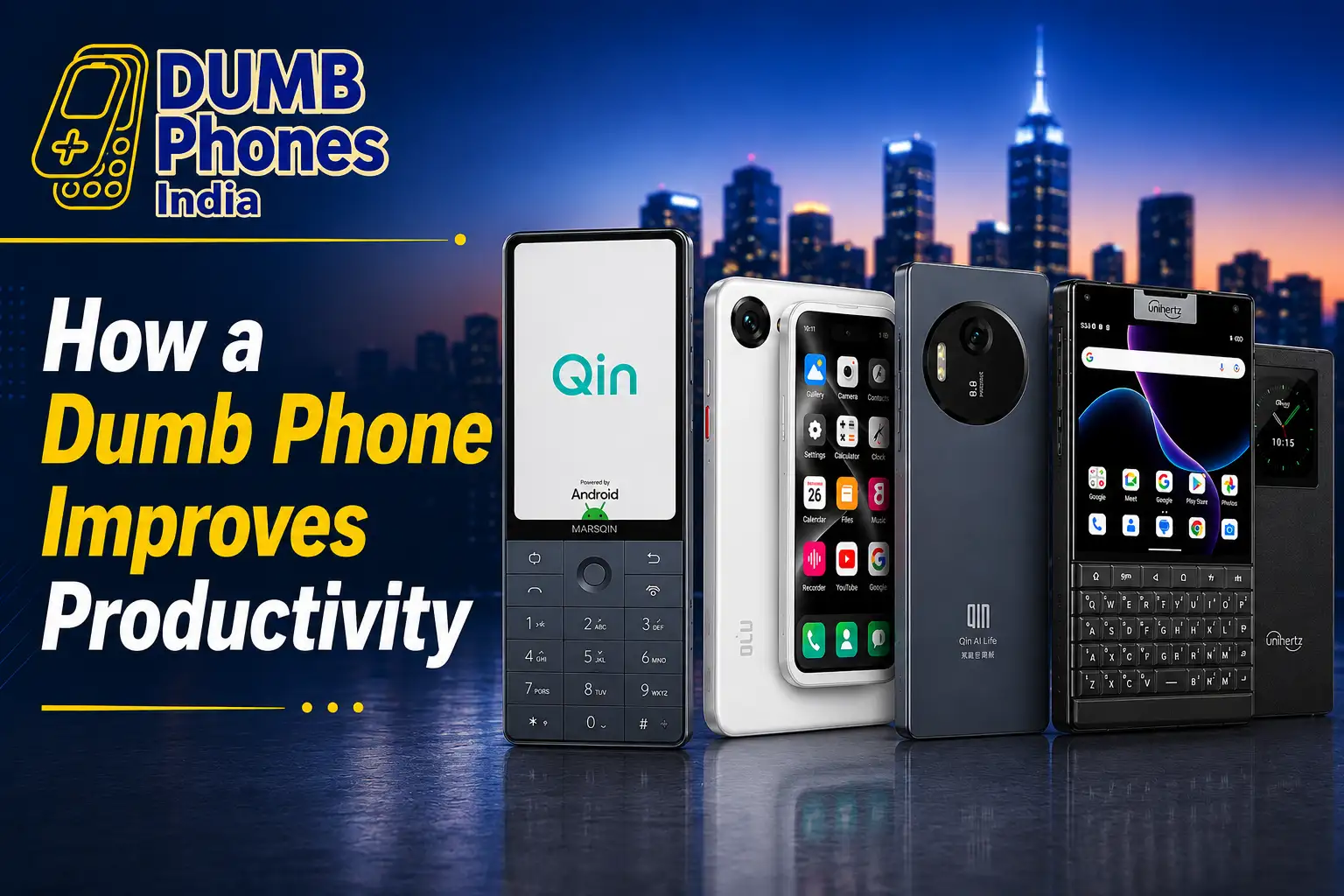
Many users report improved productivity because they spend less time switching between apps.
Benefits include:
This is one reason entrepreneurs, freelancers, writers, and students are increasingly exploring minimalist phones.
They can be an excellent option for students who struggle with distractions.
Advantages include:
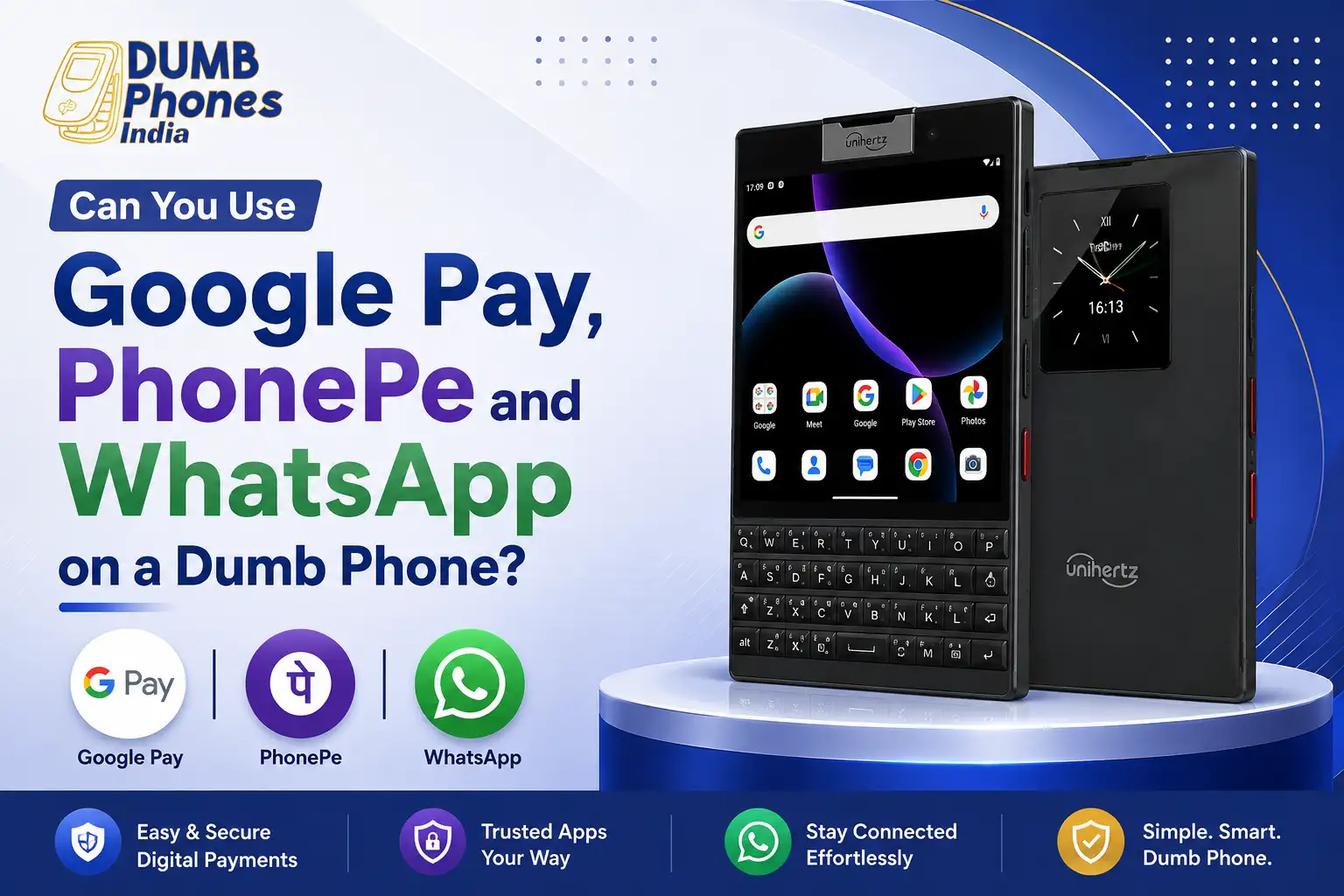
Modern Android dumb phones still allow access to useful tools such as WhatsApp, calendars, notes, and maps, depending on the model.
A dumb phone isn’t the right choice for everyone.
Possible limitations include:
If your job depends heavily on mobile productivity apps, a traditional smartphone may still be necessary.
A dumb phone may be a good fit if you:
If you’re looking for a balance between simplicity and smart features, these devices are worth considering:
A compact Android phone with touchscreen, 4G, Wi-Fi, WhatsApp support, and essential apps—ideal for users who want fewer distractions without losing everyday functionality.
A lightweight Android dumb phone with a clean interface, making it a great option for students, professionals, and digital minimalists.
One of the smallest Android smartphones available. Its compact size naturally discourages excessive screen time while still providing access to essential apps.
Designed for users who want a minimalist experience with practical Android features.
A unique Android device with a physical keyboard, suitable for professionals who enjoy tactile typing while reducing unnecessary distractions.
Switching phones is only one part of building healthier digital habits. Consider these simple strategies:
A dumbphones won’t solve every problem, but it can be a powerful tool for anyone looking to build a healthier relationship with technology. By reducing unnecessary distractions, limiting endless scrolling, and encouraging more mindful phone use, it may help improve focus, productivity, and overall digital wellbeing.

Added to cart
Check out our shop to see what's available