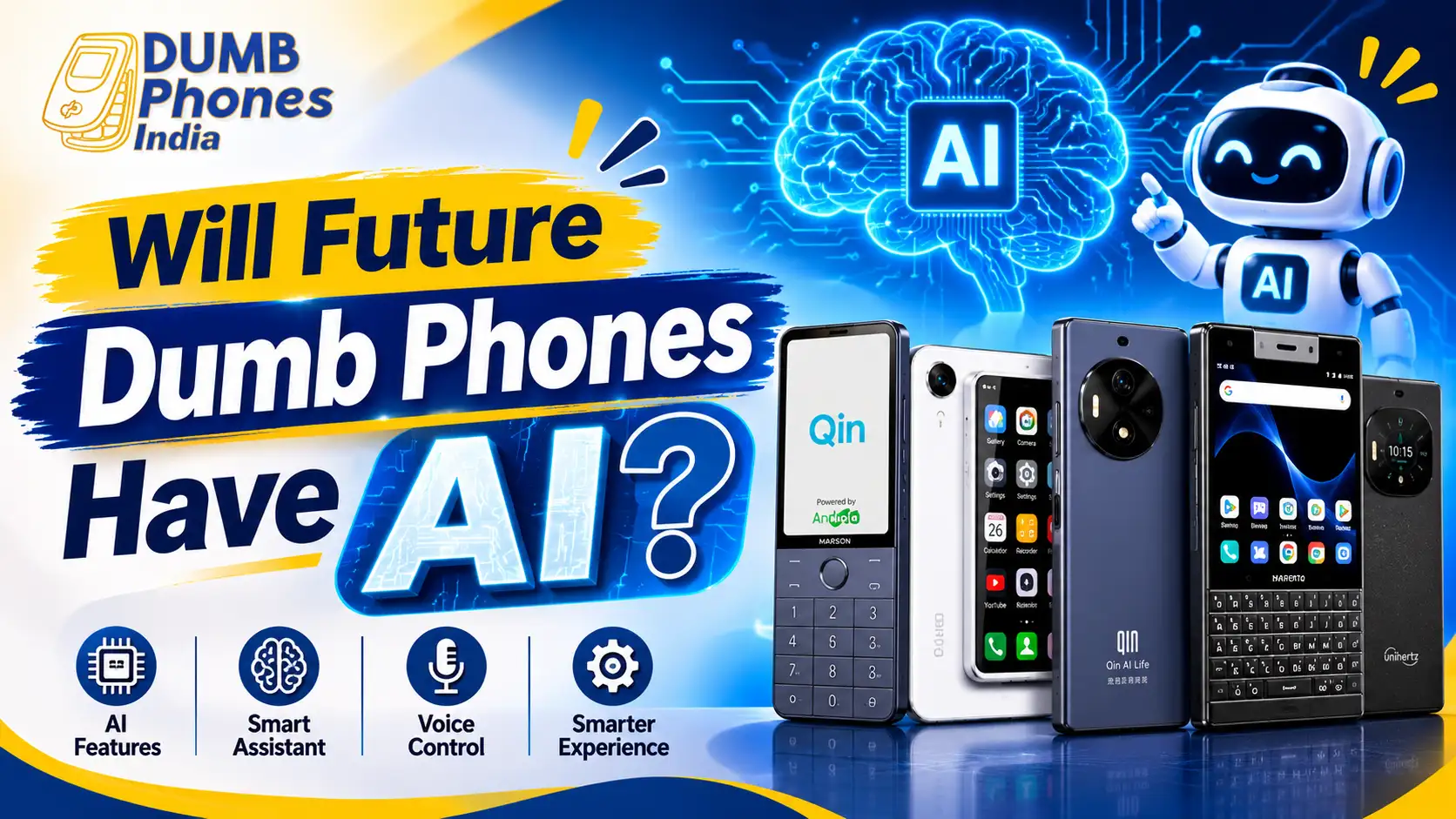
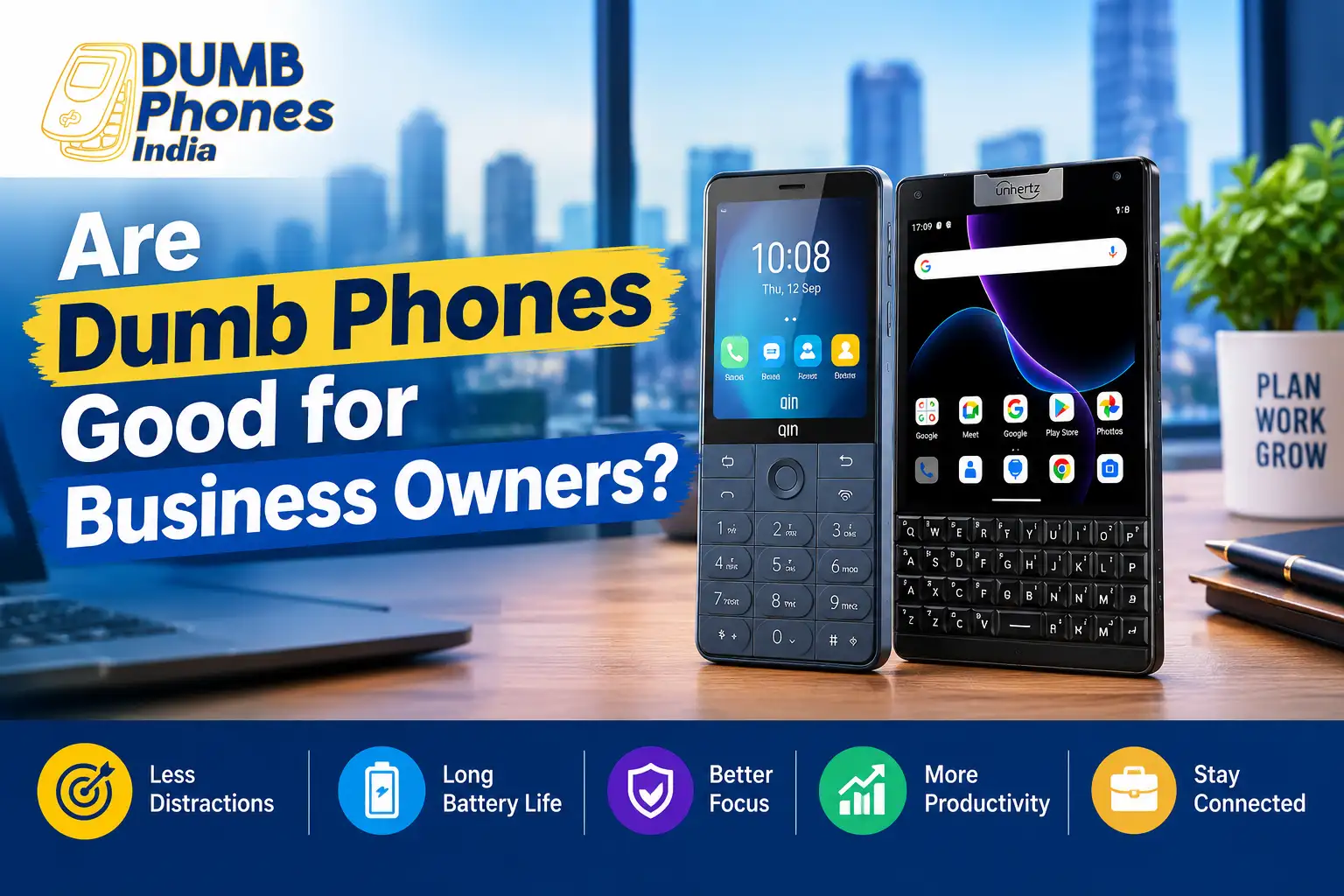
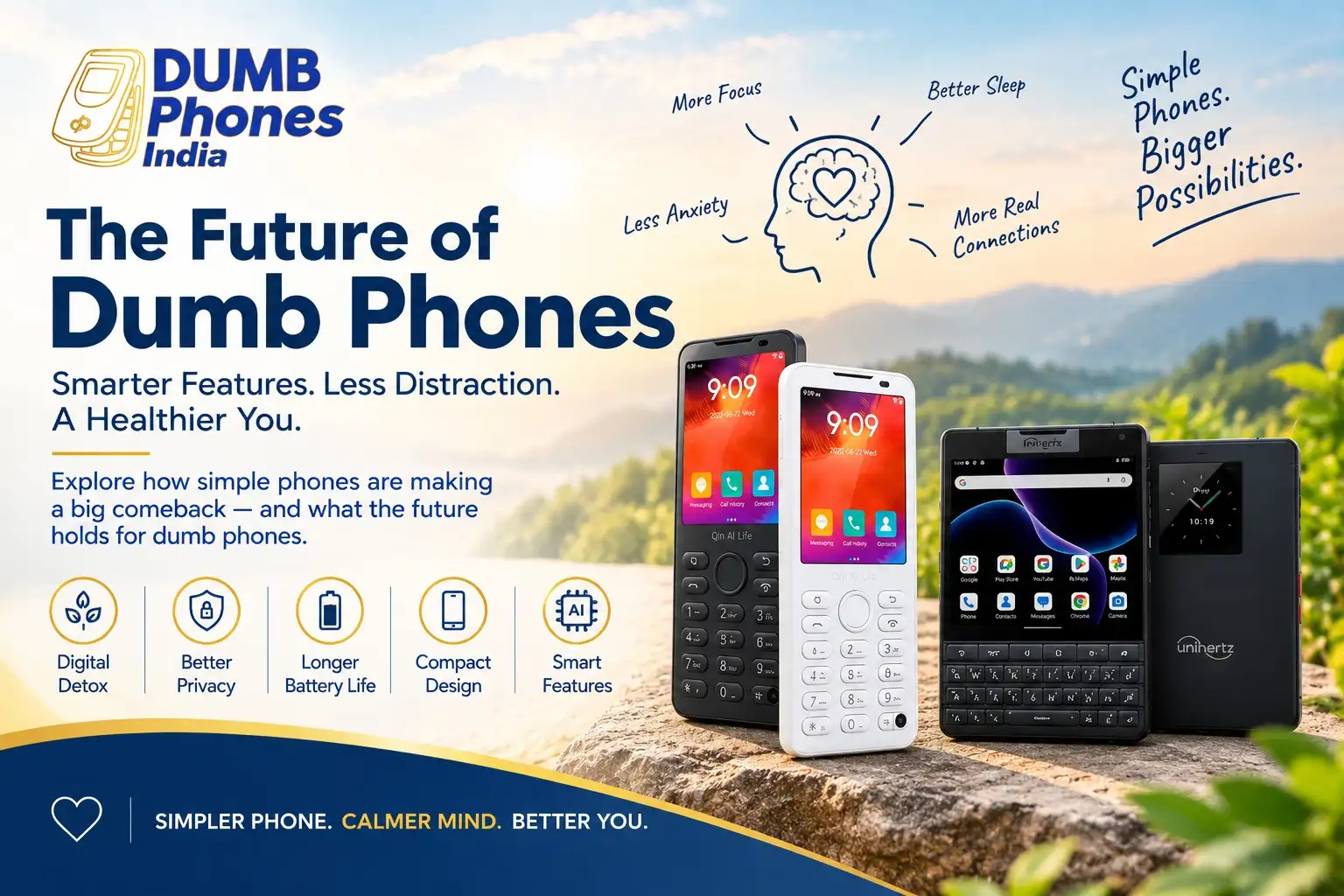
Yes, future dumb phones may include AI features while maintaining their simple, distraction-free design. Instead of offering hundreds of applications, AI-powered minimalist phones could help users complete everyday tasks through voice commands, smart assistance, and automated functions.
The goal would be to make phones more useful without encouraging excessive screen time.
How Could AI Work on Future Dumb Phones?
AI could become an important feature of next-generation minimalist phones in several ways.
1. AI Voice Assistant
Future dumb phones may allow users to perform tasks using simple voice commands, such as:
Making calls
Sending messages
Setting reminders
Checking weather
Finding directions
Managing appointments
This could reduce the need to navigate multiple menus or applications.
2. AI Messaging and Translation
AI could help users write short messages, correct spelling, summarize emails, and translate conversations.
For professionals and business owners, these features could make communication easier without requiring a large touchscreen or complicated interface.
3. AI Navigation
Future minimalist phones could provide voice-based navigation and intelligent travel assistance.
Instead of constantly checking a screen, users might receive simple spoken directions while travelling.
4. AI for Productivity
AI-powered dumb phones may support:
Voice-based notes
Automatic reminders
Calendar management
Task organization
Quick information searches
Meeting summaries
These features could make minimalist phones useful for students, professionals, and entrepreneurs.
Will AI Make Dumb Phones Less Distraction-Free?
Not necessarily.
The important difference will be how manufacturers implement AI.
A traditional smartphone may use AI to recommend content, personalize feeds, and encourage app engagement. A minimalist phone could use AI primarily to complete tasks quickly.
For example, asking your phone to send a message is different from opening multiple applications and spending twenty minutes browsing.
The best AI dumb phone would use intelligence to reduce screen interaction rather than increase it.
Will AI Dumb Phones Replace Smartphones?
Probably not completely.
Smartphones will remain useful for advanced photography, gaming, video editing, mobile banking, and professional applications.
However, AI-powered minimalist phones could become attractive to people who want essential smart features without the distractions of a conventional smartphone.
This could create a new category of devices combining:
Compact hardware
Physical keypads
Essential Android applications
AI voice assistance
Digital wellbeing features
Privacy-focused controls
Are AI Dumb Phones Available Today?
Some existing Android-based minimalist phones already support voice assistants and selected AI applications, depending on their software compatibility.
However, a dedicated AI-first dumb phone with a genuinely distraction-free experience remains an evolving concept. AI capabilities vary significantly between devices, and not every Android dumb phone supports Google services or modern AI applications.
FAQs
Will dumb phones have ChatGPT?
Some compatible Android dumb phones may support ChatGPT through an application or browser. Availability depends on device compatibility and software requirements.
Can AI dumb phones work without internet?
Some AI functions can operate locally if the device has suitable hardware and software. Cloud-based AI generally requires an internet connection.
Will AI make dumb phones smarter?
Yes, AI could improve communication, navigation, reminders, and productivity while keeping the overall interface simple.
Final Thoughts
The future of dumb phones doesn’t necessarily mean avoiding advanced technology. It could mean using advanced technology more intentionally.
AI may help minimalist phones become smarter, more convenient, and more useful without turning them into conventional smartphones.
The future could be simple phones with intelligent features—not complicated phones with endless distractions.