Free Shipping and COD All Over India.
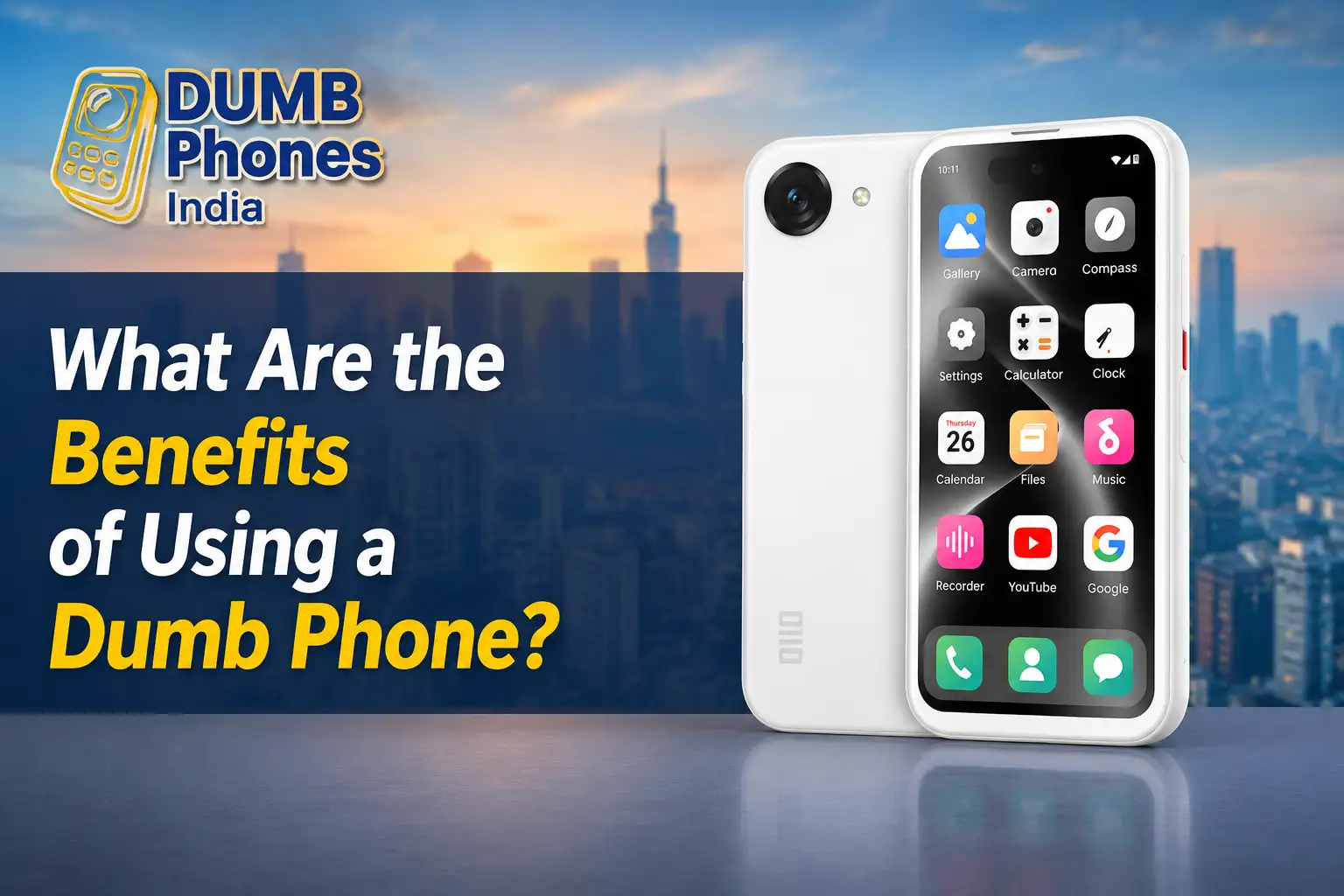
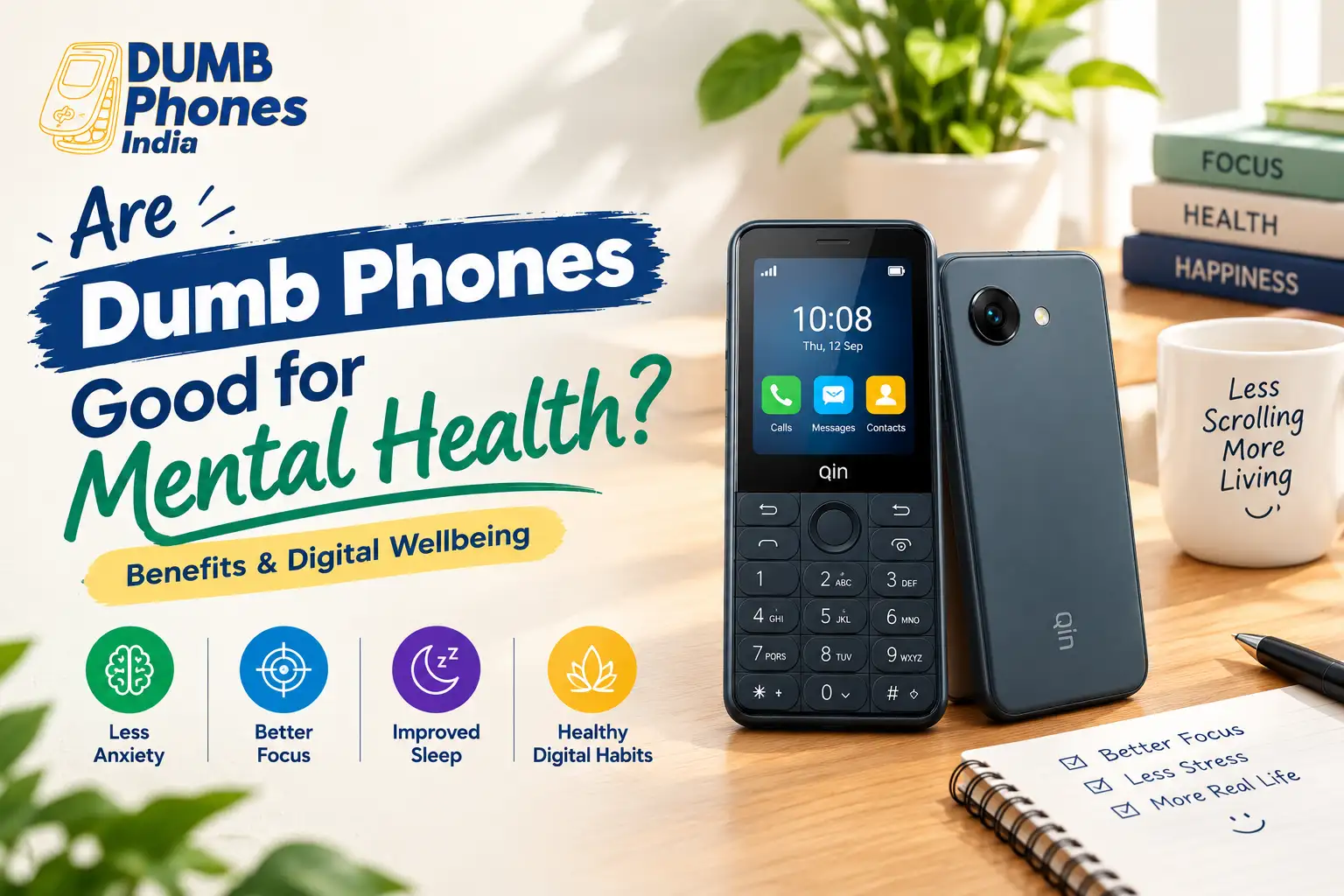
In a world dominated by smartphones, more people are beginning to question whether constant connectivity is actually improving their lives. Endless notifications, social media scrolling, and digital overload have made many users feel mentally exhausted and distracted.
As a result, dumb phones are making a strong comeback.
A dumb phone is designed for simplicity. Unlike smartphones packed with addictive apps and endless entertainment, dumb phones focus on essential communication like calling and texting. Some modern versions also include basic smart features such as WhatsApp, maps, or music while still maintaining a minimalist experience.
But why are so many people switching to dumb phones again?
Let’s explore the biggest benefits of using a dumb phone and why they are becoming popular among students, professionals, parents, and digital minimalists.
A dumb phone (also called a feature phone or minimalist phone) is a mobile device designed to reduce distractions and simplify digital life.
Unlike modern smartphones, dumb phones are intentionally built to encourage mindful usage rather than endless engagement.
One of the biggest advantages of using a dumb phone is naturally reducing screen time.
Smartphones are designed to keep users constantly engaged through:
Dumb phones remove most of these distractions, making users spend less time staring at screens and more time engaging with real life.
Excessive smartphone use has been linked to:
Dumb phones help create healthier digital habits by removing the constant pressure of notifications and social media.
This is one reason why dumb phones are becoming popular among Gen-Z users and digital minimalists.
Smartphones constantly interrupt concentration.
Every notification, message, or app alert breaks focus and makes it harder to complete important tasks.
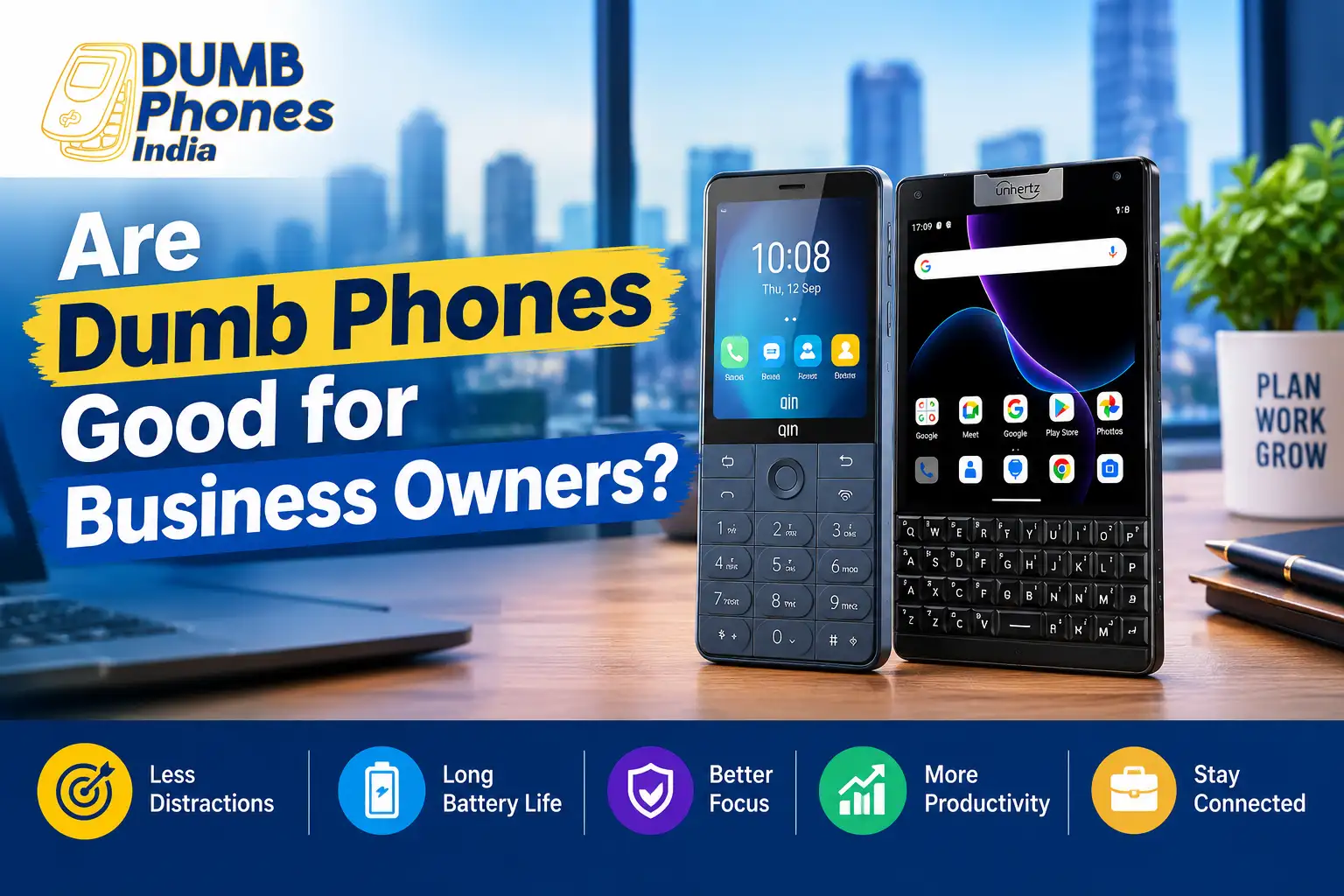
Students and professionals often use dumb phones to improve focus during studies or work hours.
Battery anxiety is a common problem with smartphones.
they usually last much longer on a single charge.
Some dumb phones can run for several days without charging, making them ideal for:
Social media apps are designed to maximize engagement and screen time.
Many users unconsciously spend hours scrolling through:
Dumb phones help users break this habit by limiting access to addictive platforms.
This encourages:
This creates a simpler and more private mobile experience.
Dumb phones are usually:
Unlike expensive smartphones with fragile glass bodies, many dumb phones are built for reliability and long-term use.
This makes them great for:
Digital minimalism is a growing lifestyle movement focused on using technology intentionally instead of excessively.
Dumb phones fit perfectly into this philosophy because they:
Many parents are hesitant to give full smartphones to children due to:
Dumb phones provide a safer alternative by offering:
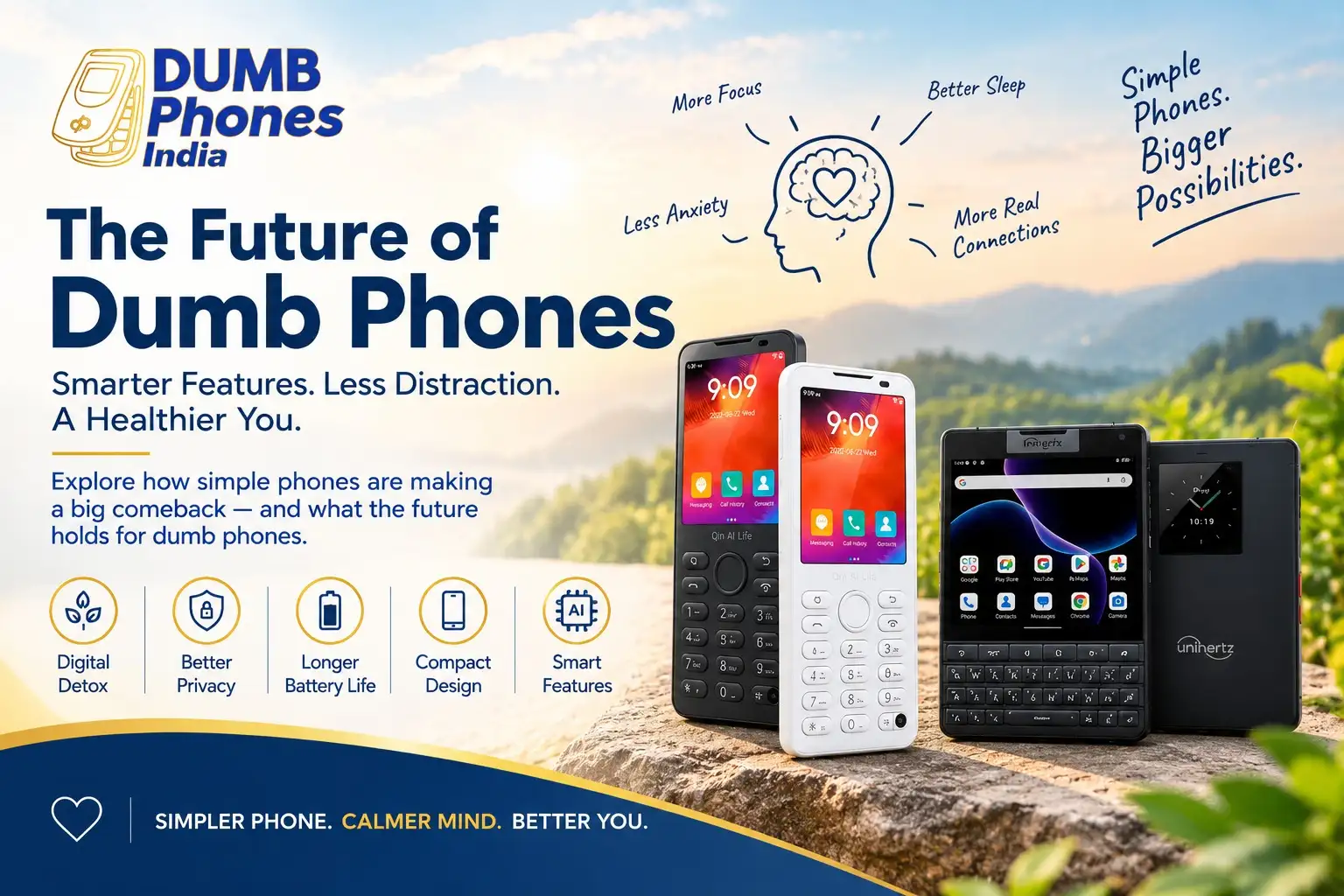
The growing popularity of dumb phones is part of a larger movement toward:
More people are realizing that constant connectivity does not always improve quality of life.
Instead, many now prefer technology that supports focus and balance rather than addiction.
Yes — especially modern smart dumb phones.
Today’s devices can include:
This allows users to enjoy essential modern tools without the overwhelming distractions of a traditional smartphone.
Dumb phones are no longer outdated devices. They are becoming powerful tools for people who want:
Whether you want a digital detox, a productivity-focused device, or simply a healthier relationship with technology, a dumb phone can be a smart choice.
Sometimes, simpler really is better.
Dumb phones help reduce screen time, improve focus, support mental health, and minimize digital distractions.
Yes. Since they remove most distractions, users often experience better concentration and time management.
Many users report reduced stress, anxiety, and social media addiction after switching to dumb phones.
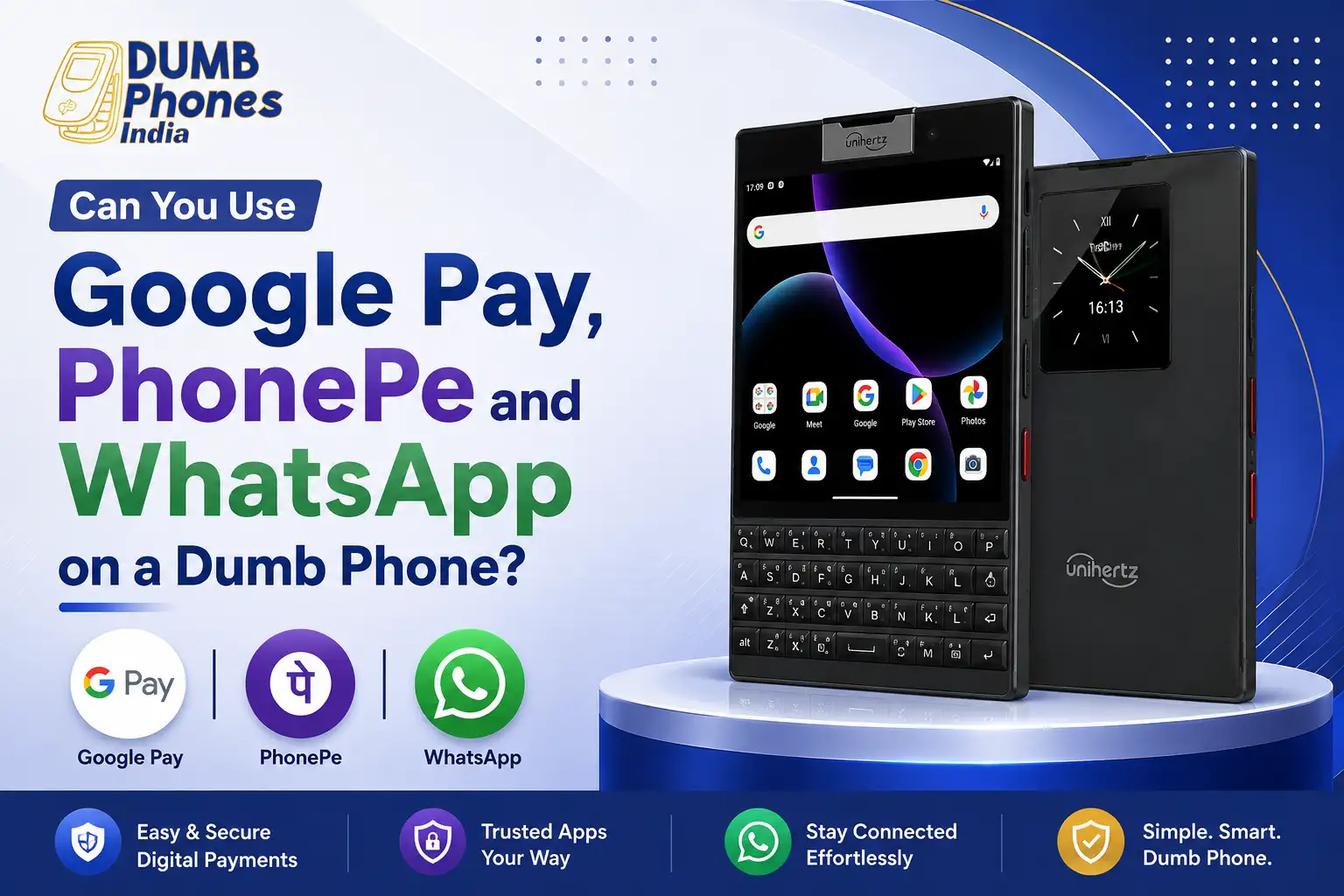
Some modern smart dumb phones support apps like WhatsApp, maps, and music.
People are increasingly seeking digital balance, reduced screen time, and simpler technology experiences.

Added to cart
Check out our shop to see what's available
Enter your mobile number to continue.
Enter the 6-digit OTP sent to